Traditional South Asian Wedding Necklace Sets: Designs & Trends
hassanseo360@gmail.com on 24 February, 2026 | No Comments
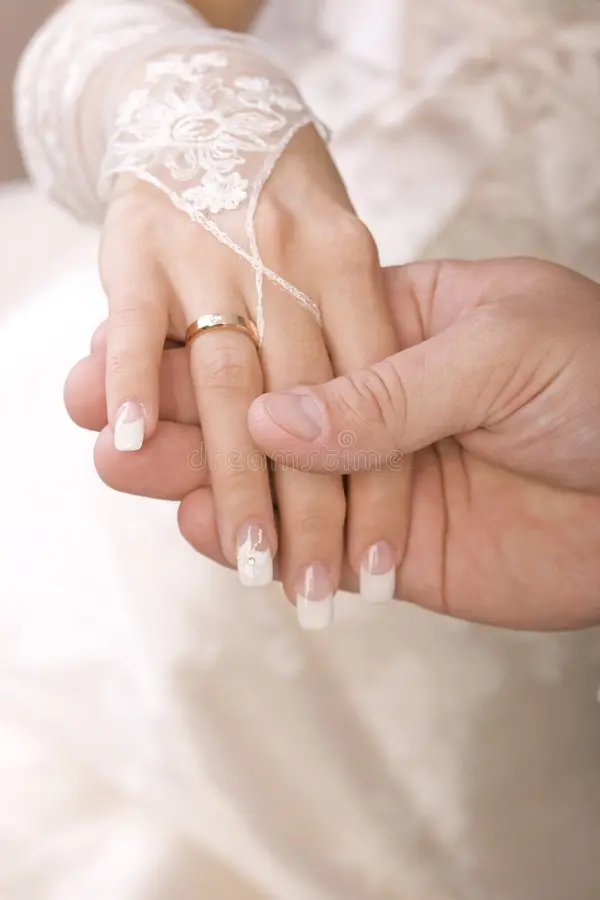
South Asian weddings are known for their vibrant celebrations, cultural richness, and deeply symbolic jewelry. Among the many adornments a bride wears, the necklace set holds significant importance. It not only enhances bridal beauty but also carries cultural value, family heritage, and timeless elegance. From classic gold traditions to contemporary fusion styles, South Asian bridal necklaces are both meaningful and stylish. In this article, we explore the most iconic necklace designs and the current trends shaping bridal jewelry in Pakistan, India, Bangladesh, and other South Asian communities.
1. The Significance of Necklace Sets in South Asian Weddings
In South Asian cultures, jewelry is more than decoration—it’s tradition and identity. Necklaces worn by brides often represent prosperity, protection, and blessings for married life. Gold jewelry, in particular, is considered auspicious, believed to bring good fortune and serve as a form of financial security.
Necklace sets typically include a main necklace, matching earrings, and sometimes additional pieces like maang tikka (forehead ornament) or hath phool (hand jewelry). These sets are worn during the wedding ceremony and other related events, such as the engagement, mehndi, and reception. Over generations, specific styles and motifs have become emblematic of regional traditions and family heritage.
2. Traditional Kundan Necklace Sets
Kundan jewelry is one of the most iconic styles in South Asian wedding jewelry. Originating from the royal courts of Rajasthan and Gujarat, Kundan necklaces are crafted by setting uncut gemstones in finely worked gold.
These sets are distinguished by their intricate workmanship and richly colored stones—typically rubies, emeralds, and pearls. Kundan necklaces often include elaborate chokers, layered strings, and matching earrings.
Because of their regal appearance, Kundan sets perfectly complement traditional bridal outfits like lehengas and sarees. Brides who choose this style embrace a royal and timeless aesthetic that stands out in wedding photography.
3. Polki Necklace Sets: Raw Diamond Elegance
Polki jewelry uses uncut diamonds and is another favorite in South Asian bridal collections. Unlike faceted diamonds, Polki stones maintain their natural shape, giving jewelry a rustic yet luxurious texture.
Polki necklaces often combine diamonds with pearls or colored gemstones, creating a shimmer that’s both sophisticated and classic. These sets may include choker styles, long layered necklaces, and statement designs.
This style is especially popular for brides who want a traditional yet bridal look that reflects cultural elegance with a modern twist.
4. Temple Jewelry Necklace Sets
Originally worn by classical dancers in South India, temple jewelry has deep cultural roots. These sets are inspired by traditional motifs like gods, goddesses, peacocks, and floral designs.
Temple necklaces are usually crafted in gold and often include matching earrings and additional ornaments like vaddanam (waist belt) or arm cuffs. They carry symbolic meaning—reflecting devotion, blessings, and cultural heritage.
Temple jewelry remains popular not only in South Indian weddings but across South Asia, especially for brides who want a culturally rich and meaningful look.
5. Rani Haar: The Royal Long Necklace
The Rani Haar is a classic long necklace that became popular in Mughal royalty. “Rani” means queen, and “Haar” means necklace—so this design literally signifies royal elegance.
Rani Haar sets are long, multi-layered necklaces that may reach down to the waist. Often paired with a choker necklace in a layered style, they are made from gold, Polki, or Kundan with intricate patterns and gemstone embellishments.
This style is ideal for brides wearing heavily embroidered outfits. The long silhouette adds sophistication and grandeur, especially for formal wedding ceremonies.
6. Choker Necklace Sets
Chokers sit snugly around the neck and have regained popularity in both traditional and contemporary bridal fashion. In South Asian weddings, chokers are often crafted with gold, Kundan, or Polki and adorned with pearls or colored stones.
Choker sets may also include matching earrings, maang tikka, and necklaces to enhance layering. Because of their structured look, chokers work beautifully with lehengas and anarkalis.
Modern bridal trends have introduced creative choker designs, including floral patterns, geometric shapes, and combinations with colored gems for a fusion of tradition and elegance.
7. Contemporary Bridal Necklace Designs
Although traditional styles dominate South Asian weddings, contemporary necklace designs have become increasingly popular among modern brides. These sets mix classic elements with new aesthetics, such as:
-
Delicate minimal gold necklaces with light gemstone accents
-
Pearl and diamond hybrids for subtle luxury
-
Statement necklaces in pastel gemstone combinations
-
Layered chains with mixed metals
Contemporary sets are especially favored for Mehndi, engagement ceremonies, and fusion-themed weddings. They appeal to brides who want a blend of cultural significance and modern fashion.
8. Matching Sets with Earrings and Other Accessories
In South Asian bridal traditions, necklace sets usually come as coordinated collections. A typical set often includes:
-
Main Necklace – the focal piece
-
Matching Earrings – often long or chandelier style
-
Maang Tikka – forehead jewelry
-
Nath – nose ring (optional)
-
Bajuband – arm bracelet
-
Hath Phool – hand jewelry linked to rings
Coordinating these pieces creates a cohesive bridal look that enhances the outfit’s beauty while reflecting cultural richness. Brides often choose complete sets for wedding ceremonies, and lighter versions for other functions.
9. Choosing the Right Necklace for Your Wedding Outfit
Selecting the perfect necklace set depends on several factors:
1. Dress Style
-
Lehenga with heavy embroidery: Bold and layered sets like Kundan or Rani Haar
-
Simple saree or gown: Minimal or contemporary designs
-
High neck dresses: Choose longer necklaces, avoid heavy chokers
2. Face Shape
-
Round faces look great with elongated necklaces
-
Heart-shaped faces pair well with chokers or multi-layer designs
3. Wedding Theme
-
Traditional ceremony: Classic gold, Kundan, or temple jewelry
-
Fusion or contemporary wedding: Modern and lightweight sets
4. Comfort
Weddings are long celebrations. Choose pieces that are beautiful and comfortable—especially for dances and long ceremonies.
10. Current Necklace Trends in South Asian Weddings
The jewelry trends in South Asian weddings blend tradition with new styles. Some prominent trends include:
• Layered Jewelry
Combining chokers with long necklaces for depth and drama.
• Mixed Gemstones
Using sapphires, emeralds, rubies, and pearls to add color beyond gold.
• Lightweight Bridal Jewelry
Brides prefer comfortable pieces for Mehndi, Sangeet, and reception.
• Custom and Personalized Sets
Engraved designs, birthstones, or meaningful motifs to reflect individuality.
• Rose Gold and White Gold
While classic gold remains beloved, modern brides sometimes choose alternative gold colors for a refreshed look.
These trends are seen across bridal boutiques in Lahore, Karachi, Delhi, Mumbai, Dhaka, and other cultural hubs, reflecting the fusion of global fashion with South Asian tradition.
Conclusion
Traditional South Asian wedding necklace sets are timeless symbols of culture, beauty, and celebration. From royal Kundan and Polki designs to temple motifs and contemporary sets, each style carries its own story and significance. Whether you prefer classic elegance or modern flair, the right necklace set enhances a bride’s look and creates cherished memories.
Choosing the perfect set involves considering the outfit, comfort, cultural importance, and the emotions behind every piece. On your wedding day, a beautifully chosen necklace set does more than adorn—it reflects heritage, grace, and the beginning of a new journey.