How to Choose Real vs. Lab-Grown Diamonds: A Complete Buyer Guide
hassanseo360@gmail.com on 26 February, 2026 | No Comments
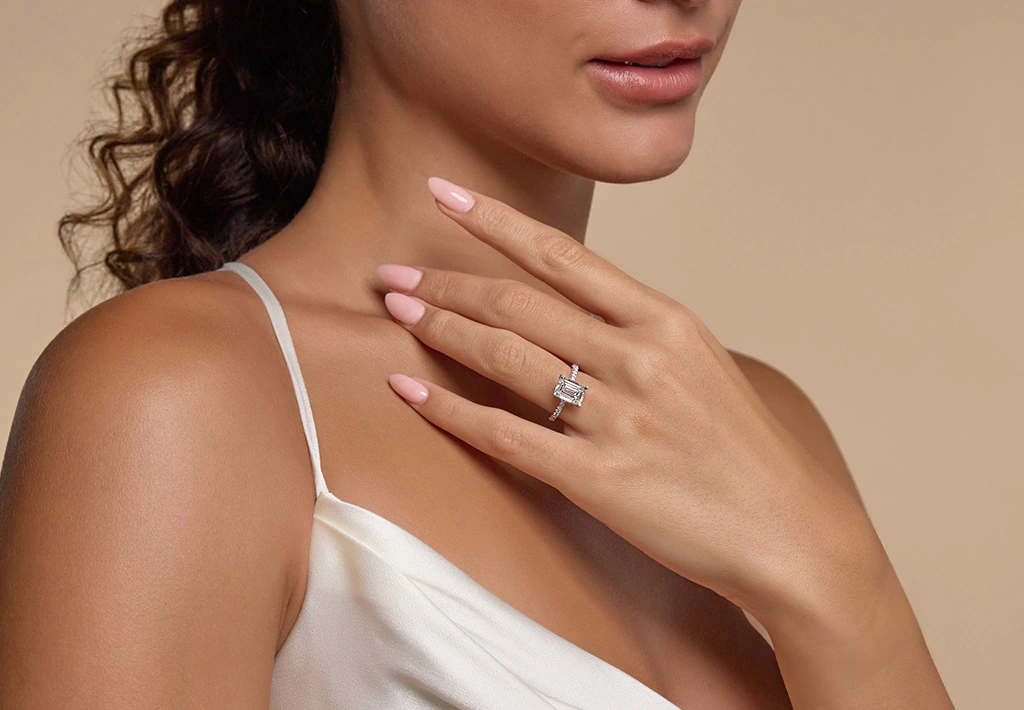
Diamonds are among the most desired gemstones in the world, symbolizing love, commitment, and luxury. Whether you are purchasing an engagement ring, wedding jewelry, anniversary gift, or an investment piece, choosing the right diamond is a major decision. One of the most important choices buyers face today is deciding between real (natural) diamonds and lab-grown diamonds.
Both options are visually stunning and scientifically identical in many ways, yet they differ in origin, cost, ethical impact, and long-term value. This complete buyer guide explains every important factor you should consider so you can confidently choose the diamond that best fits your needs, values, and budget.
1. What Are Real (Natural) Diamonds?
Real diamonds, also known as natural diamonds, are formed deep within the Earth’s mantle over billions of years. They are created under intense heat and pressure and are brought closer to the Earth’s surface through volcanic activity. Once mined, these rough diamonds are cut, polished, and graded before being sold as jewelry.
Natural diamonds are valued for their rarity, geological history, and uniqueness. No two natural diamonds are exactly the same, as each carries distinctive inclusions and characteristics formed during its natural creation. For many buyers, owning a diamond formed by nature over millions of years holds strong emotional and symbolic meaning.
Because of limited supply and mining costs, natural diamonds are generally more expensive and have long been associated with prestige and tradition.
2. What Are Lab-Grown Diamonds?
Lab-grown diamonds are created in advanced laboratories using modern technology that replicates the natural diamond-forming process. They are real diamonds in every scientific sense, sharing the same chemical composition, crystal structure, hardness, and brilliance as natural diamonds.
Two main methods are used to grow lab diamonds:
-
High Pressure High Temperature (HPHT)
-
Chemical Vapor Deposition (CVD)
These methods allow diamonds to form in weeks rather than billions of years. Once grown, lab diamonds are cut and polished just like natural diamonds.
The key difference lies in origin, not quality. Lab-grown diamonds are not imitations; they are genuine diamonds created above ground instead of inside the Earth.
3. Visual Appearance and Sparkle Comparison
A common concern among buyers is whether lab-grown diamonds look different from natural diamonds. The simple answer is no.
To the naked eye, real and lab-grown diamonds look identical. Both display:
-
Exceptional brilliance
-
Strong fire (light dispersion)
-
Sharp sparkle and clarity
Even professional gemologists require advanced equipment or laser inscriptions to identify a diamond’s origin. When set in jewelry, there is no visible difference in appearance, shine, or elegance.
If beauty and sparkle are your main priorities, both options deliver equally stunning results.
4. Understanding the 4Cs for Both Diamond Types
Whether you choose real or lab-grown diamonds, quality is measured using the same 4Cs:
Cut
The most important factor for sparkle. A well-cut diamond reflects light beautifully, regardless of origin.
Color
Diamonds are graded from colorless to light yellow. Higher grades appear brighter and more valuable.
Clarity
Refers to internal inclusions and surface blemishes. Fewer imperfections mean higher clarity.
Carat
Measures diamond weight. Larger carat diamonds are more expensive, but size does not equal sparkle.
Both natural and lab-grown diamonds are graded using the same standards, so quality comparison remains fair and transparent.
5. Price Differences and Budget Considerations
One of the biggest reasons buyers choose lab-grown diamonds is price.
Lab-grown diamonds typically cost 30% to 70% less than natural diamonds of the same carat, cut, color, and clarity. This price difference allows buyers to:
-
Choose a larger diamond
-
Upgrade quality grades
-
Stay within budget while achieving a luxury look
Natural diamonds cost more due to mining expenses, rarity, and long-established market demand. For buyers with strict budgets or those who prefer size and brilliance over origin, lab-grown diamonds offer excellent value.
6. Ethical and Environmental Impact
Ethical sourcing is increasingly important for modern buyers.
Natural Diamonds
Mining can impact the environment and local communities, though many companies now follow responsible mining practices and ethical labor standards. Conflict-free certifications help ensure diamonds are sourced responsibly.
Lab-Grown Diamonds
Lab-grown diamonds are widely considered a more eco-friendly option. They involve no mining, reduce land disturbance, and often require fewer natural resources. Buyers concerned with sustainability and environmental impact often prefer lab-grown diamonds.
Your ethical priorities can play a major role in deciding which option feels right for you.
7. Durability and Everyday Wear
Both natural and lab-grown diamonds score 10 on the Mohs hardness scale, making them the hardest known natural substance. This means:
-
Excellent resistance to scratching
-
Suitable for daily wear
-
Long-lasting brilliance
There is no durability difference between the two. Both are ideal for engagement rings, wedding bands, necklaces, and bracelets meant for everyday use.
Proper care, such as regular cleaning and safe storage, will keep either diamond sparkling for a lifetime.
8. Resale Value and Long-Term Investment
This is an important distinction for buyers considering long-term value.
Natural Diamonds
Natural diamonds generally retain better resale value because of their rarity and historical market demand. They are often passed down as heirlooms and can hold emotional and financial significance.
Lab-Grown Diamonds
Lab-grown diamonds usually have lower resale value. As technology advances and production increases, market prices may continue to decrease. They are best viewed as luxury purchases rather than financial investments.
If resale or inheritance value matters to you, natural diamonds may be the better option.
9. Choosing the Right Diamond Based on Purpose
The best diamond choice depends on how and why you’re buying it.
-
Engagement rings: Both options are popular; natural diamonds appeal to tradition, lab-grown appeal to modern values
-
Wedding jewelry sets: Lab-grown diamonds allow larger matching pieces within budget
-
Fashion jewelry: Lab-grown diamonds offer affordability and flexibility
-
Heirloom or investment pieces: Natural diamonds are often preferred
Understanding the purpose of your purchase helps guide the decision.
10. Final Buying Tips for Smart Diamond Shoppers
Before purchasing, keep these essential tips in mind:
-
Always buy certified diamonds
-
Compare diamonds based on cut quality first
-
Choose a trusted and transparent seller
-
Decide what matters most: budget, ethics, size, or resale value
-
Don’t overpay for carat size at the expense of sparkle
There is no universally “better” choice—only the choice that best fits your lifestyle, values, and budget.
Conclusion
Choosing between real and lab-grown diamonds is no longer a simple matter of authenticity versus imitation. Both options are genuine diamonds that offer exceptional beauty, durability, and brilliance. Natural diamonds carry rarity, tradition, and long-term value, while lab-grown diamonds provide affordability, ethical advantages, and modern appeal.
By understanding the differences in origin, price, ethics, and resale value, you can make a confident and informed decision. Whether you choose a diamond formed by nature over billions of years or one created through advanced technology, the right diamond is the one that reflects your priorities and tells your unique story.